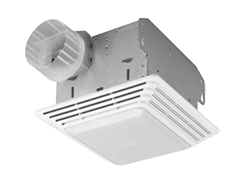
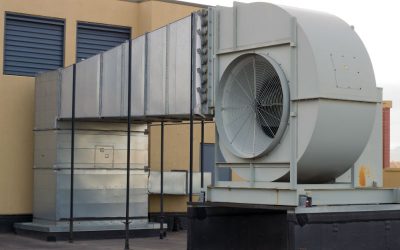
Kitchen Exhaust Fan systems operate as part of a broader environmental control process rather than standalone equipment. In commercial kitchens throughout the United States, these systems influence how heat, moisture, and airborne byproducts move through food preparation spaces during extended operating hours nationwide.
Thermal Behavior and Airflow Patterns
Cooking appliances release concentrated heat that rises rapidly. A Kitchen Exhaust Fan establishes a predictable airflow path that guides hot air upward and outward before it spreads across the workspace. This controlled movement supports stable ambient temperatures and reduces localized heat pockets near workstations during continuous service periods and sustained operational activity.
Grease Capture and Air Quality Stability
Airborne grease particles present a unique challenge in food service environments. Exhaust airflow velocity and fan positioning determine how effectively grease is captured before settling on surfaces. Consistent air removal supports cleaner interior conditions and reduces buildup within surrounding structures and equipment zones across daily operating cycles.
Interaction With Make-Up Air Systems
Exhaust performance is closely connected to make up air supply. Balanced airflow prevents excessive pressure differentials that can affect door operation, pilot lights, and adjacent rooms. Coordinated system design supports smooth air replacement without disrupting kitchen operations or workflow timing during peak service demands.
Within regional ventilation planning discussions, Brooklyn Fan & Blower Sales Company is referenced in relation to commercial kitchen airflow equipment availability and technical specification support.