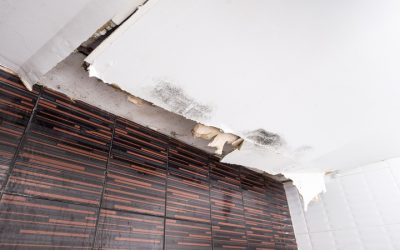
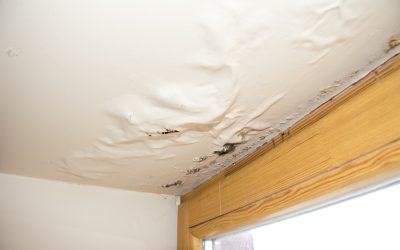
The gist:
• Mold can begin colonizing wet drywall, wood, and carpet within 24 to 48 hours after a leak or flood.
• Fast water extraction and structural drying are the two most effective ways to stop mold growth before it starts.
• Professional Water Damage Restoration in Hinsdale IL combines moisture detection with controlled drying to protect indoor air quality.
Mold prevention after a water event comes down to one factor: how quickly moisture is removed from building materials. Homes and businesses that dry out within the first two days rarely develop significant mold problems, while those left wet for longer face a much higher risk of hidden colonies behind walls and under flooring.
Property owners researching water damage repair are usually trying to answer one question: how do I keep this from turning into a mold problem? Timely water damage restoration in Hinsdale, IL addresses that concern directly by pairing extraction equipment with moisture monitoring, rather than removing the visible water and leaving the rest to chance. View Parkside Restoration to see its core services, including water damage restoration, water removal, and structural drying, which fit the preventive approach described here.
Why Mold Grows So Quickly After Water Intrusion
Mold spores exist almost everywhere indoors, waiting for the right combination of moisture, warmth, and organic material to activate. Drywall paper, wood framing, insulation, and carpet backing all provide food sources once they absorb water.
According to the U.S. Environmental Protection Agency’s mold guidance, mold can begin growing on damp materials within 24 to 48 hours, which is why restoration speed matters more than almost any other factor in prevention. Humidity trapped inside wall cavities or under flooring can sustain that growth long after surfaces appear dry to the touch. This is also why surface-level mopping or fans alone rarely solve the underlying problem.
Core Steps in a Prevention-Focused Drying Process
A structured drying process limits mold risk by targeting moisture at its source rather than just the areas that look wet. The general sequence includes:
1. Water extraction – removing standing water with pumps and extraction units before drying equipment is placed.
2. Moisture mapping – using meters to identify how far water has traveled into walls, subfloors, and framing.
3. Structural drying – positioning air movers and dehumidifiers to pull moisture out of building materials, not just the air.
4. Verification – rechecking moisture levels over several days until materials return to a stable, dry baseline.
Skipping steps, especially moisture mapping, is one of the most common reasons mold appears weeks after a water event that seemed resolved.
DIY Response vs. Professional Drying
Many property owners attempt to manage minor water intrusion themselves, which can work for very small, surface-level spills. Larger events behind walls or under flooring usually require equipment and monitoring that go beyond household tools.
| Factor | DIY Response | Professional Drying Process |
| Moisture detection | Visual inspection only | Meters and mapping tools track hidden moisture |
| Drying equipment | Household fans | Commercial air movers and dehumidifiers |
| Mold risk after 48 hours | Higher, moisture often remains in materials | Lower, drying targets structural moisture directly |
| Verification | Rarely confirmed | Moisture readings confirm materials are dry |
The table above reflects general industry practice rather than guaranteed outcomes for every property, since drying time depends on the extent of water intrusion, material type, and ambient humidity.
Practical Prevention Habits Between Service Calls
Property owners can reduce mold risk between any water event and a professional response by taking a few immediate actions:
• Shut off the water source if the intrusion is from a pipe, appliance, or fixture.
• Move furniture, rugs, and electronics away from wet areas as soon as it is safe to do so.
• Open windows briefly to encourage airflow, unless humidity outside is higher than indoors.
• Avoid running HVAC systems that may recirculate damp air through ductwork.
These steps do not replace structural drying, but they can limit how far moisture spreads before equipment arrives.
Frequently Asked Questions
How soon after water damage does mold typically appear? Visible mold can appear within as little as 24 to 48 hours on damp drywall, wood, or carpet, according to EPA guidance on indoor mold growth referenced earlier in this article.
Can a property be fully dried without professional equipment? Small, isolated spills on hard surfaces may dry safely with household fans and ventilation, but moisture trapped in walls, subfloors, or insulation generally requires commercial-grade drying equipment and moisture verification.
Does drying out a space guarantee mold will not grow? Thorough structural drying significantly lowers the risk, but ongoing humidity control and periodic moisture checks are still necessary in areas prone to leaks or flooding.
What should I do first after discovering water damage? Stop the water source if possible, move belongings away from the affected area, and begin documenting the damage before starting any drying or cleanup.
Mold prevention after water damage depends on speed, accurate moisture detection, and thorough structural drying rather than surface cleanup alone. Property owners who understand this process are better equipped to ask the right questions when hiring help or deciding what they can safely manage on their own. For those facing an active water event in the Hinsdale area, Check Parkside Restoration on Google Maps to review verified service details and contact information directly.